Welcome to Planifly!
Let us show you around our powerful planning tools. This quick tour will help you get the most out of our platform.
Navigating Green Belt Regulations
Understand the strict rules around Green Belt development, exceptions under NPPF Paragraph 149, and how to build a compelling case.
Green Belt Development is Highly Restricted
The Green Belt has the strongest protection in the planning system. Most development is considered inappropriate and will be refused unless very special circumstances can be demonstrated.
Success Rate: Only 20-30% of Green Belt applications are approved, and these typically involve exceptional circumstances or fall under specific exceptions.
What is Green Belt?
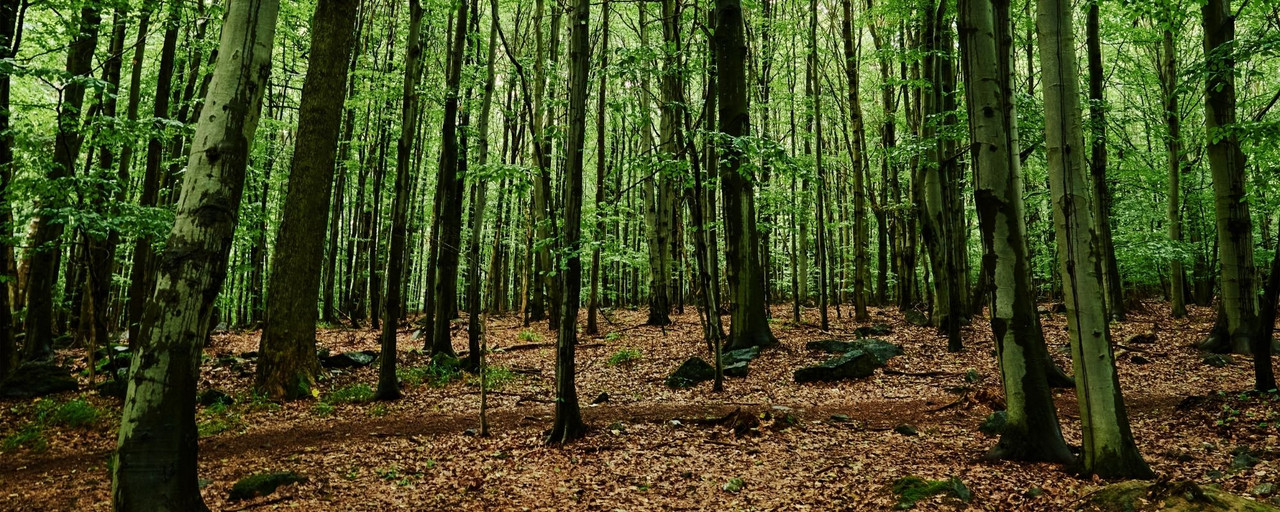
Green Belt is a planning designation that aims to prevent urban sprawl by keeping land permanently open. Established in the 1950s, it covers approximately 13% of England and serves five key purposes:
Primary Purposes
- Check unrestricted sprawl of large built-up areas
- Prevent neighbouring towns merging
- Assist in safeguarding countryside from encroachment
- Preserve setting and special character of historic towns
- Assist in urban regeneration
Coverage Areas
- London Metropolitan Green Belt (largest)
- West Midlands Green Belt
- North West Green Belt
- York Green Belt
- Tyne and Wear Green Belt
- Plus 9 other designated areas
NPPF Paragraph 149 Exceptions
Limited Exceptions
The National Planning Policy Framework (NPPF) Paragraph 149 lists specific types of development that are not inappropriate in Green Belt, provided they preserve openness.
Buildings for Agriculture and Forestry
New buildings needed for agricultural or forestry operations, including modern farming facilities.
Key Requirements: Must be genuinely needed for agricultural/forestry use, appropriately located, and designed to minimize visual impact.
Appropriate Facilities for Outdoor Sport and Recreation
Facilities that preserve openness and don't conflict with Green Belt purposes.
Examples: Golf clubhouses, sports pavilions, equestrian facilities (but not residential accommodation).
Extension or Alteration of Existing Buildings
Extensions that don't result in disproportionate additions over the original building.
Disproportionate Test: Generally interpreted as no more than 50% increase in volume, but varies by local authority.
Replacement of Existing Buildings
Replacement buildings provided they are in the same use and not materially larger.
Materially Larger Test: Usually interpreted as no more than 30% increase in volume or footprint.
Limited Infilling in Villages
Small-scale development within the built confines of existing villages.
Key Test: Must be within the village envelope, not extend the village, and be of appropriate scale.
Redevelopment of Previously Developed Land
Redevelopment of brownfield sites that doesn't have a greater impact on openness.
Openness Test: New development must not be more harmful to openness than existing development.
Very Special Circumstances
The VSC Test
If your development doesn't fall under Paragraph 149 exceptions, you must demonstrate "Very Special Circumstances" that clearly outweigh the harm to the Green Belt and any other harm.
What Constitutes Very Special Circumstances?
Personal Circumstances
- Exceptional medical needs requiring specific location
- Essential worker housing (e.g., agricultural workers)
- Family circumstances requiring care provision
Economic Benefits
- Significant job creation in rural areas
- Essential infrastructure for existing businesses
- Tourism facilities of regional importance
Environmental Benefits
- Renewable energy projects of strategic importance
- Biodiversity enhancement schemes
- Flood risk management infrastructure
What Doesn't Constitute VSC
- Housing need or lack of housing land supply
- Financial hardship or development viability
- Personal preference for rural living
- Cheaper land costs in Green Belt
- Planning permission granted elsewhere in Green Belt
Building a Strong Case
Comprehensive Planning Statement
Prepare a detailed planning statement that addresses Green Belt policy directly.
- Clearly identify which exception applies (if any)
- Demonstrate compliance with all relevant tests
- Address impact on openness and Green Belt purposes
- Present Very Special Circumstances case if needed
Professional Design Approach
High-quality design is essential to minimize visual impact and preserve openness.
- Use appropriate materials and colors
- Minimize building height and bulk
- Incorporate landscape screening
- Consider seasonal visual impact
Supporting Evidence
Gather robust evidence to support your case.
- Professional surveys and assessments
- Precedent cases and appeal decisions
- Economic impact studies (if relevant)
- Environmental benefits analysis
Common Mistakes to Avoid
❌ Ignoring Green Belt Policy
Failing to address Green Belt policy directly in your application. This is the primary consideration and must be dealt with comprehensively.
❌ Weak Very Special Circumstances
Presenting generic or weak arguments for VSC. The circumstances must be genuinely special and clearly outweigh the harm.
❌ Poor Design Quality
Submitting poorly designed proposals that don't minimize visual impact or preserve openness.
❌ Inadequate Pre-Application Advice
Not seeking pre-application advice from the local planning authority to understand their specific approach to Green Belt policy.